-
Critical Thinking, Critical Analysis, and Critique – Same or Different?
Unfortunately, for many naïve teachers and students, these three things are thought of as the same thing. They are not. They are two different things (two of these things are closely related – one of these things just doesn’t belong). I can’t tell you how many scholarship applications that I have read…
-
Critical Thinking and Sources of Evidence
I have posted several times about critical thinking in higher education today (or not), but have ignored a critical component of critical thinking – evidence. Even though critical thinking skills are missing in a significant proportion of our graduates, there is still a significant number who have gained critical thinking skills. We know that…
-
Critical Thinking
Ninety-nine percent of teachers and professors list critical thinking as one of the most important skills that students should have or need to acquire before they leave college or university. That is pretty well all. In fact, I wonder who the 1% might be that are the holdouts in this statistic. I…
-
Critical Thinking and Metacognition
One of the main problems with learning to think critically is the problem of transference. This is a problem that plagues learning in general. How do we take what we have learned and use it in a way that we have not been trained to use it? In almost every area of…
-
Knowing what You Know – Metacognition
Metacognition is thinking about thinking or is a set of skills that allows us to control and direct our cognitive abilities. Metacognition? Cognition first. I was in my first cognition class as a 30-year-old adult before I had any idea what cognition is. I took the class because cognitive psychology was one…
-
Science of Learning: Deductive Reasoning
Deductive reasoning is not a natural way to think and must be learned. As a higher order thinking skill, the cognitive functioning necessary to engage in deductive reasoning develops during adolescence. However, deductive reasoning is difficult to carry out, and normally becomes evident only after formal instruction in deductive reasoning. Deductive reasoning…
-
Science of Learning: Complex Inductive Reasoning
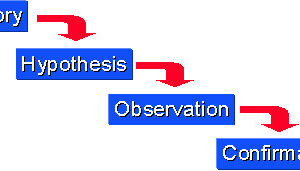
The difference between inductive and deductive reasoning is that they are really what you could think of as opposites. Deductive reasoning is going through the process of reasoning in order to understand the world from a general idea to the specifics of how that general idea works in particular instances. Hypothetico-deductive reasoning…
-
Science of Learning: Rational Thinking
Rational thinking is the most difficult of the higher order thinking skills to define and work out how to foster within formal education. We are all rational beings, at least from the inside out. Rational thinking can be defined as aligning our thoughts and actions to our beliefs. If we do that,…
-
The Creative Process
I’ve written generally about creativity, the individual dispositional traits and attitudes conducive to creativity, and how the environment and culture a person finds themselves in can help or hinder creativity. Today I’m writing a little bit about the creative process itself based on interviews with individuals who have been recognized for creating…
-
Creative Environments
In addition to the dispositional aspects of creativity that I previously wrote about, there are environmental aspects that we have more control over. There are definitely cultural and social environments that enhance the abstract cognitive enabler of creativity and the creative process and will allow dispositional aspects to flourish. Most creative individuals…